Holloway Road N7 carpet cleaning guide for homeowners
If you live near Holloway Road in N7, you already know carpets take a beating. Mud from a wet walk to the tube, crumbs from busy family life, pet hair, the odd coffee spill - it all settles in faster than you think. This Holloway Road N7 carpet cleaning guide for homeowners is here to help you make sensible decisions, avoid costly mistakes, and keep your carpets looking and smelling better for longer.
Whether you want to tackle light maintenance yourself or understand when to book a professional clean, this guide walks through the methods, benefits, timing, and practical checks that matter in a real home. No fluff. Just useful advice you can act on today.
One quick note before we start: a good carpet clean is not only about appearance. It can affect comfort, hygiene, indoor air quality, and how long your flooring lasts. That matters in busy N7 homes, especially where foot traffic is high and rooms do double duty all week.
Table of Contents
- Why carpet cleaning matters in Holloway Road N7 homes
- How carpet cleaning works
- Key benefits and practical advantages
- Who this guide is for
- Step-by-step guidance
- Expert tips for better results
- Common mistakes to avoid
- Tools, resources and recommendations
- Law, compliance, standards and best practice
- Options and method comparison
- Case study or real-world example
- Practical checklist
- Conclusion
- Frequently asked questions
Why Holloway Road N7 carpet cleaning guide for homeowners Matters
Carpets do a lot of invisible work. They trap dust, pollen, skin flakes, grit, pet debris, and the usual spillages from everyday living. That is the good news and the bad news. The good news is they catch dirt before it circulates everywhere else. The bad news is, if you do not clean them properly, all that mess stays put.
In Holloway Road and the wider N7 area, homes often face a mix of street dust, wet weather, and compact living spaces where dirt gets carried from room to room. If you have children, pets, visitors, or simply a busy routine, carpets can start to look tired long before they are actually worn out. A sensible cleaning plan helps preserve the pile, keep colours brighter, and make your home feel fresher. Simple as that.
There is also a comfort factor. A clean carpet underfoot just feels better. You notice it when you walk into a room and there is no stale smell, no crunchy grit, no dark traffic lanes by the sofa. Truth be told, most homeowners wait until a carpet looks bad before acting. By then, stains may have set deeper, and the job becomes harder.
If you are comparing services or trying to understand what a proper clean should include, it can help to look at the wider service approach on the carpet cleaning service page, especially if you are deciding between spot treatment, a full clean, or specialist stain removal support. For households with pets, the challenge is often more specific, and a targeted pet stain and odour removal service may be the more sensible route.
How Holloway Road N7 carpet cleaning guide for homeowners Works
At its core, carpet cleaning is a controlled process of loosening, lifting, and removing embedded dirt without damaging the fibres or leaving behind too much moisture. The exact method depends on the carpet type, the level of soiling, and whether the main problem is general grime, a stain, or lingering odour.
For homeowners, the typical process usually includes:
- Inspection - checking fibre type, stain locations, traffic patterns, and any delicate areas.
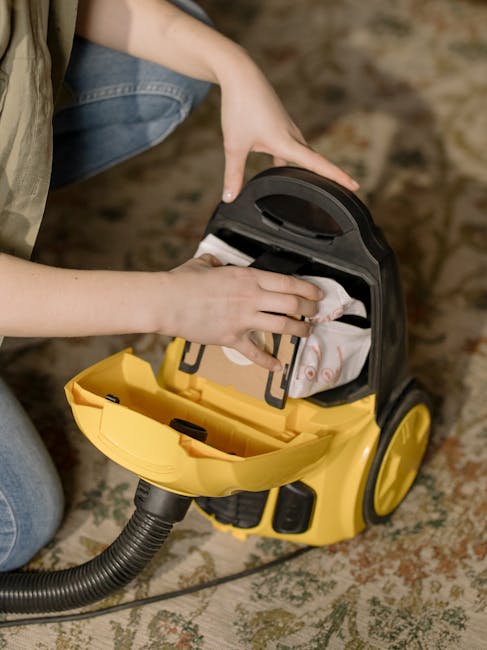
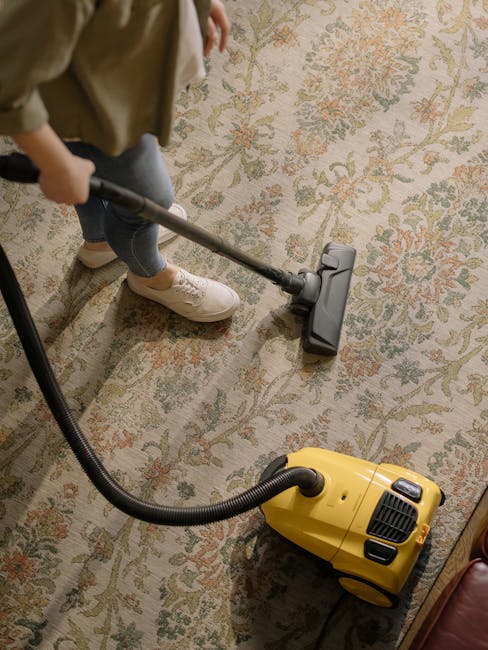
- Vacuuming - removing dry debris first, because damp cleaning over loose grit can grind dirt deeper in.
- Pre-treatment - applying a suitable solution to loosen oils, spots, or ground-in soil.
- Agitation or dwell time - allowing the cleaner to work into the fibres.
- Extraction or cleaning pass - removing loosened dirt with the chosen method.
- Drying - letting airflow do its job so the carpet does not stay damp for too long.
That last part matters more than many people think. A carpet that looks clean but stays wet for hours can feel unpleasant and may develop a musty smell. Nobody wants that. If you are considering a hot water extraction or similar deep clean, the approach described in the steam carpet cleaning service overview is a useful reference point because it helps explain how deep cleaning and moisture management fit together.
Different methods suit different situations. A synthetic family carpet with a few marks is one thing. A delicate wool rug in a front room is another. This is where judgment matters, not just equipment.
Key Benefits and Practical Advantages
The obvious benefit is a cleaner-looking carpet. But the real value goes further than that. For homeowners in N7, regular carpet cleaning can improve the whole feel of a home, and, if done correctly, extend the useful life of the flooring.
- Better appearance: fibres look brighter, traffic lanes look less flattened, and colours regain some depth.
- Improved freshness: lingering smells from cooking, pets, or damp shoes are less likely to hang around.
- Reduced build-up: dirt and dust are removed before they become harder to shift.
- Longer carpet life: grit acts like sandpaper underfoot, so less grit means less wear.
- More comfortable rooms: clean carpets make bedrooms, lounges, and stairs feel noticeably better.
- Better presentation: useful if you are preparing for guests, a tenancy handover, or just want the place to feel sorted again.
There is also a practical money-saving angle. It is usually cheaper to maintain a carpet than to replace one early. That is especially true in high-use areas like hallways and stair runs, where dirt tends to gather faster than in spare bedrooms. And yes, the hall always seems to collect the worst of it. Every home has one.
If you are juggling carpets plus sofas, curtains, or rugs, a broader home fabric care plan can make life easier. Services such as upholstery cleaning, sofa cleaning, curtain cleaning, and rug cleaning often complement carpet care well, because dust and odour move through soft furnishings together.
Who This Is For and When It Makes Sense
This guide is for homeowners who want practical, low-stress answers. If you live in a flat, maisonette, terraced house, or family home near Holloway Road, the same basic principles apply, but your priorities may differ.
You will likely benefit from a carpet cleaning plan if you are:
- dealing with everyday dirt from children, shoes, or pets
- trying to remove a stubborn stain before it sets
- noticing stale smells or a dusty feel in the room
- preparing a property for sale, rental check-out, or incoming guests
- looking after wool, synthetic, or mixed-fibre carpets and want to avoid damage
- trying to stretch the life of an existing carpet rather than replace it
It also makes sense if you have allergy concerns, although carpet cleaning is not a medical treatment and should never be described that way. Still, reducing dust and debris can make a room feel cleaner and easier to live in. That is a fair, everyday benefit.
Some households only need a light maintenance clean every so often. Others need a more regular schedule because of traffic, pets, or small children. There is no one-size-fits-all answer. A front room that sees constant use will need more attention than a spare room that is opened once a month. Obvious, perhaps, but worth saying.
Step-by-Step Guidance
Here is a simple homeowner-friendly process you can follow before deciding whether to clean yourself or book help.
1. Identify the carpet type
Start by checking whether the carpet is wool, synthetic, or a blend. Wool is tougher than many people think, but it still needs careful treatment. Some synthetic carpets tolerate stronger cleaning methods, while delicate materials need a gentler touch.
2. Test for problem areas
Look for high-traffic lanes, dark patches, pet spots, food spills, and any areas with a rough feel underfoot. If a patch crunches slightly when you walk on it, that usually means grit has settled deep into the pile.
3. Vacuum thoroughly
Do not rush this part. Vacuum slowly in both directions if possible. That helps lift loose dirt from the base of the fibres rather than just skimming the surface. It is a boring step, yes, but it changes the result a lot.
4. Treat stains before cleaning the whole carpet
Spot treatment is often the difference between a decent result and a disappointing one. Use a suitable stain approach for the mark in question. Grease, tea, red wine, ink, and pet accidents all behave differently. If you are unsure, the dedicated stain removal service information is a useful place to understand how professional treatment differs from a quick household fix.
5. Choose the right cleaning method
For light refresh work, a surface clean may be enough. For embedded dirt, a deeper method may be needed. If odours or biological marks are involved, a standard clean alone may not solve the issue. This is where specialism matters.
6. Control moisture and drying
Airflow is your friend. Open windows if weather allows, use heating sensibly, and avoid piling furniture back too soon. A carpet should feel dry, not merely "mostly dry". That difference matters more than people realise.
7. Reassess after drying
Once the carpet is dry, look at the result in daylight if you can. Some marks fade significantly after drying, while others are still visible and may need a second pass. That is normal, not a failure.
Expert summary: For most N7 homes, the best results come from vacuuming properly, treating stains before deep cleaning, and controlling drying time. Skipping any one of those can undermine the finish.
Expert Tips for Better Results
A few small habits make a big difference. You do not need a cupboard full of products, either.
- Act fast on spills: blot, do not rub. Rubbing pushes the mark deeper and can rough up the pile.
- Use less water than you think: over-wetting is one of the easiest ways to create drying problems.
- Work from the outside in: this helps keep a stain from spreading.
- Keep entrance mats clean: it sounds basic, but it reduces the dirt carried into the house.
- Rotate furniture if practical: it helps avoid the same traffic paths wearing out first.
- Check hidden spots: under tables and along skirting boards, dust loves to settle there.
If you have a family home where the carpet seems to pick up everything, a maintenance clean every so often is usually smarter than waiting for a complete rescue job. And honestly, some stains are just stubborn. Coffee in particular has a habit of making itself at home.
For homes where furniture is part of the problem - armchairs, dining seats, scatter cushions - consider looking at upholstery cleaning alongside carpets so the room feels genuinely refreshed rather than half-done. If the issue is mainly a sofa or chaise in the living room, sofa cleaning may be the better focus.
Common Mistakes to Avoid
Most carpet problems do not come from one huge error. They come from lots of small ones repeated over time.
- Using harsh bleach or random household chemicals: they can fade fibres, leave patches, or set the stain permanently.
- Scrubbing aggressively: this frays fibres and can make the mark look worse.
- Cleaning without vacuuming first: loose dirt becomes sludge, which is never a good plan.
- Leaving carpets damp for too long: this can cause smells and delays furniture use.
- Ignoring the backing or underlay: visible surface cleaning does not always solve deeper contamination.
- Using the wrong method on wool: wool needs a careful approach, not guesswork.
A surprisingly common mistake is trying to "fix" a stain over and over. Each attempt can spread the mark wider or drive it deeper. Sometimes the smartest move is to stop, let the area dry, and reassess properly. Not glamorous, but effective.
Another one: moving furniture back before the carpet is ready. That is how neat little dents and moisture shadows turn into a grumpy afternoon.
Tools, Resources and Recommendations
You do not need specialist gear for basic upkeep, but a few simple tools help a lot.
| Tool or resource | Best use | Why it helps |
|---|---|---|
| Quality vacuum cleaner | Routine dirt removal | Stops grit being walked deeper into the fibres |
| Microfibre cloths | Blotting spills | Absorb liquid without rough scrubbing |
| Soft brush | Loosening surface debris | Useful for delicate agitation before spot treatment |
| Fans or airflow | Drying after cleaning | Speeds up evaporation and reduces lingering damp |
| Professional stain support | Stubborn or unknown marks | Helps avoid accidental damage from the wrong product |
If you are choosing a provider, it is sensible to ask how they assess fibre type, what drying guidance they give, and whether they can advise on stain-specific issues. A good local company will not rush that conversation. They will explain things in plain English, which is refreshing, really.
It can also be worth looking at related services if the issue is broader than one room. For example, heavily used rugs may respond better to specialist rug cleaning, while bedrooms with mattress odours or dust concerns may benefit from mattress cleaning. The idea is to solve the whole problem, not just the most visible bit.
Law, Compliance, Standards, or Best Practice
For homeowners, carpet cleaning is not usually a heavily regulated activity in the way some trades are. Still, best practice matters. If you book a cleaning company, you should expect them to work safely, handle chemicals responsibly, and treat your property with care.
Good practice in the UK context generally includes:
- clear communication about what the clean will and will not cover
- careful handling of electrical equipment around water
- appropriate attention to slip risk while carpets are drying
- respect for product instructions and material suitability
- honest advice if a stain is permanent or a fibre is too delicate for a deep clean
If you are comparing providers, it is reasonable to ask about insurance, safety procedures, and payment handling. Those things are not glamorous, but they matter. You can review practical information on insurance and safety, health and safety policy, and payment and security if you want to understand how a responsible service presents itself.
For households mindful of waste and product use, sustainability can also be part of the decision. Choosing a company that thinks carefully about water use, waste handling, and product choices aligns well with recycling and sustainability values. Not every job needs a perfect lab-style process, but it should still be thoughtful.
Options, Methods, or Comparison Table
Here is a simple comparison of common carpet cleaning approaches from a homeowner's point of view.
| Method | Best for | Strengths | Limitations |
|---|---|---|---|
| Vacuum-only maintenance | Weekly upkeep | Quick, affordable, prevents build-up | Won't remove embedded stains or odours |
| Spot cleaning | Fresh spills and small marks | Fast response, low disruption | Can spread stains if done badly |
| Deep extraction or steam-style cleaning | Grime, traffic lanes, fuller refresh | Removes more embedded dirt | Needs proper drying time |
| Specialist stain treatment | Problem stains, pet issues, mystery marks | Targets the cause rather than masking it | May not remove every stain completely |
So which option should you choose? In many homes, the answer is a mix. Weekly vacuuming, occasional spot work, and periodic deep cleaning is a sensible rhythm. If you only choose one thing, though, pick the right response for the actual problem. A pet odour issue is not the same as dusty traffic lines, and treating them the same usually disappoints.
Case Study or Real-World Example
A typical local scenario goes like this. A homeowner near Holloway Road notices the hallway carpet has gone dull by late autumn. There is a faint smell after wet shoes come in, and a couple of old tea marks have blended into the pile. Nothing dramatic. Just a room that has quietly become tired.
They start with a slow vacuum, then spot-treat the old marks carefully rather than scrubbing. The visible difference is modest at first. After a deeper clean, though, the hallway suddenly looks brighter, the pile stands up better, and the slightly damp smell disappears once the room is aired properly. Not magic. Just proper cleaning done in the right order.
What made the difference was not fancy equipment. It was patience, fibre awareness, and a realistic approach. The homeowner did not expect every mark to vanish, and that helped. A good result is often about improvement, not perfection. That's normal.
In a small flat, the same principle can apply to a living room where the carpet and sofa both hold onto dust. Pairing floor care with curtain cleaning or upholstery support can make the whole room feel much cleaner, even if you have not renovated a thing. Funny how one fresh room makes the rest of the place seem a bit better too.
Practical Checklist
Use this before you start cleaning or before you book a professional appointment.
- Identify the carpet material if you can
- Vacuum thoroughly before any damp cleaning
- Test a small area first if you are using a new product
- Blot spills rather than rubbing them
- Treat stains before cleaning the whole room
- Allow enough time for drying
- Move furniture back only when the carpet is properly dry
- Check whether the issue is really a stain, an odour, or general wear
- Consider specialist help for pets, rugs, or delicate fibres
- Review safety, insurance, and payment information before booking
Quick practical takeaway: if the carpet is lightly dusty, vacuuming and spot care may be enough. If it smells stale, has deep traffic marks, or contains old stains, a deeper clean is usually the more sensible route.
Conclusion
Carpet cleaning on Holloway Road N7 is not just a cosmetic job. Done well, it helps homes feel fresher, protects the carpet you already own, and makes everyday living a bit more comfortable. The best results usually come from matching the method to the problem, acting quickly on spills, and avoiding the classic mistakes that turn a small mark into a bigger headache.
If you remember only one thing, make it this: clean carpets are easier to maintain than neglected ones. A bit of care now saves a lot of grief later. And that is true whether you live in a compact flat, a family terrace, or somewhere in between.
For homeowners who want a deeper, more tailored approach, it is worth exploring the relevant service details and making sure the provider is clear, careful, and transparent. That's the sensible bit. The reassuring bit is that most carpets can be improved more than people expect with the right approach.
Get a free quote today and see how much you can save.
Frequently Asked Questions
How often should homeowners in Holloway Road N7 clean their carpets?
It depends on foot traffic, pets, children, and how quickly dirt builds up. Many homes benefit from regular vacuuming and periodic deeper cleaning rather than waiting until the carpet looks obviously dirty.
What is the best carpet cleaning method for a family home?
There is no single best method for every carpet. For general grime, a deep clean may work well. For stains, targeted treatment matters more. For delicate fibres, a gentler approach is usually safer.
Can I clean a wool carpet myself?
Yes, but cautiously. Wool can be cleaned at home if you use suitable products and avoid over-wetting. If the carpet is valuable, heavily stained, or very delicate, professional advice is the safer choice.
Will steam cleaning damage my carpet?
Not necessarily. When done properly, steam-style or hot water extraction cleaning is widely used on many carpets. Problems usually happen when the wrong method is used, the carpet is over-wet, or drying is poor.
How long does a carpet take to dry after cleaning?
Drying time varies based on method, ventilation, room temperature, and pile thickness. A carpet should feel fully dry before furniture is replaced or heavy foot traffic resumes.
What should I do first if I spill wine or coffee?
Blot gently with a clean cloth, working from the outside of the mark inward. Avoid rubbing. If the stain is still visible, treat it carefully or ask for specialist stain help rather than attacking it repeatedly.
Are carpet cleaning products safe around children and pets?
That depends on the product used and how it is applied. Always follow instructions carefully and keep children and pets away from damp areas until everything is dry and safe to use.
Do I need professional carpet cleaning if I vacuum regularly?
Vacuuming is essential, but it does not remove everything that sits deep in the fibres. Over time, embedded soil, old marks, and odours may need a more thorough clean.
Can carpet cleaning remove pet odours completely?
Sometimes, but not always. Odour removal depends on how deep the contamination has gone and what material is affected. Pet accidents often need targeted treatment rather than a standard clean alone.
Is it worth cleaning a carpet before selling or renting a property?
Yes, usually. Cleaner carpets can improve how a room feels in photos and in person. It is one of those small jobs that can have a bigger effect than expected.
What should I ask before booking a carpet cleaner?
Ask what cleaning method they use, whether they check fibre type, how long drying usually takes, and what happens if a stain cannot be fully removed. Clear answers are a good sign.
Can I combine carpet cleaning with other home cleaning services?
Absolutely. Many homes benefit from doing carpets alongside rugs, sofas, curtains, mattresses, or upholstery so the whole room feels consistently fresh rather than half refreshed.